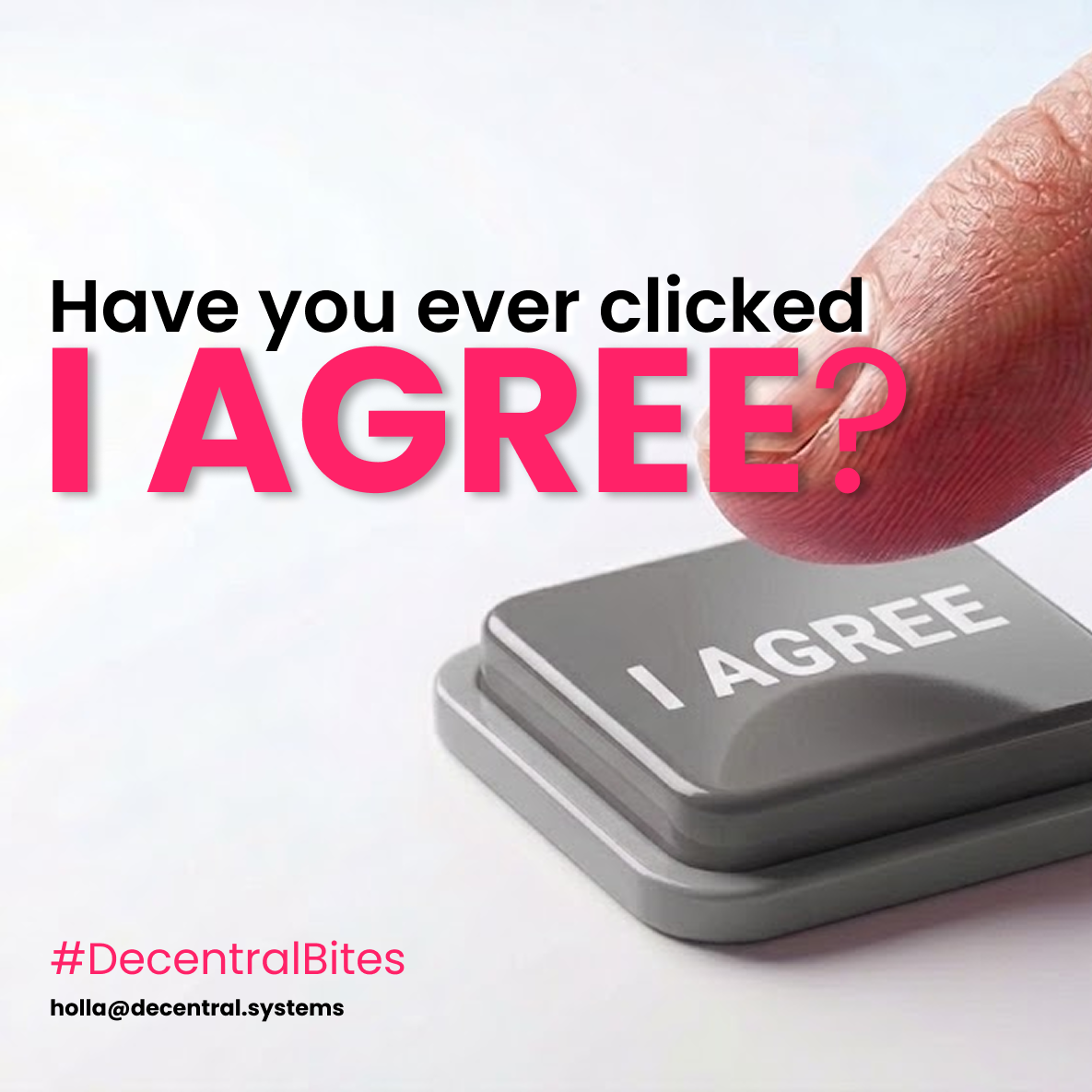
The “I Agree” Trap: What You’re Really Signing Away
When was the last time you actually read a privacy policy before clicking “I Agree”? Most people don’t. In our fast-paced digital world, it’s easy to assume that security (protection from hackers) is the same as privacy (control over personal data). But the biggest risk often isn’t an external attack; it’s the contract you willingly sign every day.
Clicking “I Agree” gives companies broad permission to collect, store, analyze, and even share your data, often without you fully realizing it. Most people spend seconds reviewing policies that take 20–40 minutes to read, unknowingly allowing companies to track their behavior, preferences, and even personal habits. That one tiny click can have long-term consequences for your privacy, identity, and online footprint.
What You Are Actually Agreeing To
By clicking “I Agree,” you are usually allowing:
- Massive Data Collection – Every click, scroll, and interaction is tracked. Your location, device details, and browsing habits are monitored to paint a detailed digital portrait of you.
- Data Sharing – Companies can legally share your information with affiliates, advertisers, or third-party partners. You’ve granted permission—even if you didn’t realize it.
- Invisible Tracking – Cookies, pixels, and device fingerprinting follow you across apps and websites, letting companies know your interests and habits in real time.
- Long-Term Storage – Deleting an app rarely deletes your data. Companies can retain it for years under “legitimate interests.”
The Great Mixup: Privacy vs. Anonymity
Consider popular social media platforms in the U.S. Some have faced scrutiny for collecting massive amounts of data despite providing relatively simple services like short videos. This reveals a common misunderstanding: many users confuse privacy with anonymity. They expect platforms to protect their identity completely, but in reality, most apps operate with sophisticated data collection to fuel algorithms and targeted content.
Understanding the difference is critical. Without it, users may unknowingly trade away their identity, habits, and preferences, thinking they are protected.
Understanding Data Anonymity, Privacy, and Confidentiality
- Data Anonymity – Data is stripped of identifying information so it can be analyzed without exposing who you are.
- Data Privacy – Puts control back in your hands, letting you decide how your information is collected, used, and shared.
- Data Confidentiality – Keeps sensitive information limited to authorized individuals, preventing unauthorized access or leaks.
In short:
- Anonymity protects identity
- Privacy protects personal rights and control
- Confidentiality protects data from unauthorized access
Combined, these three pillars create a secure, ethical, and trustworthy digital ecosystem
Digital Data Collection: The Reality
Digital data is collected constantly often without users realizing it. From the first email or social media account to location services and app usage, each interaction builds a detailed digital footprint. Companies use this data not just to operate but to enhance services, personalize experiences, and predict user needs.
Some platforms need large volumes of data to function effectively:
- Social Media Platforms (Meta, TikTok)
- Streaming Services (Netflix, Spotify)
- E-commerce Platforms (Amazon, Alibaba)
- Navigation & Ride-Hailing Apps (Uber, Google Maps)
- Health & Fitness Apps (Fitbit, MyFitnessPal)
Without this data, these services wouldn’t be able to deliver personalized content, optimize routes, recommend products, or track health metrics—all key to enhancing your daily life.
Smart Data Use
Modern fintech solutions, like digital credit providers, take data collection a step further—but with tangible benefits. By analyzing spending patterns, income trends, and digital behavior, these platforms can:
- Assess creditworthiness instantly
- Offer tailored financial products and personalized repayment plans
- Provide actionable insights to grow wealth
- Suggest opportunities for financial empowerment
Here, sharing data isn’t a threat—it’s the key to unlocking better financial solutions. The same information you provide for convenience in apps like social media can be leveraged to transform your finances, open new opportunities, and improve your family’s quality of life. With robust safeguards, responsible data use turns raw information into real-world benefits.
Where Privacy Goes to Die
Invasion of privacy or improper use of data happens when organizations collect, use, or share your information without clear consent, transparency, or necessity.
Examples include:
- Tracking users beyond what’s needed for the service
- Selling or sharing data without consent
- Using data to manipulate, discriminate, or influence behavior
Key risks:
- Losing control over your personal information
- Exposure of sensitive data
- Identity theft, discrimination, or permanent digital profiles
Any misuse of data that violates trust, consent, or reasonable expectations is unethical.
The African and Ethiopian Context
Privacy is a growing concern across Africa as digital services expand rapidly. Millions of new users join every year, often clicking “I Agree” without understanding the implications. Enforcement and awareness vary, leaving gaps between what users expect and what is protected.
Ethiopia introduced Personal Data Protection Proclamation No. 1321/2024, its first comprehensive data privacy law, which governs the collection, processing, storage, and transfer of personal data. Key obligations for fintechs and other digital service providers include:
- Legal Basis & Clear Consent
- Purpose Limitation & Data Minimization
- Data Security & Protection Measures
- Data Breach Notification
- Sensitive Data Protections
- Data Localization & Cross-Border Controls
- Appointment of Data Protection Officers (DPOs)
- Regulatory Oversight by ECA
- Enforcement & Penalties
This ensures that user data is protected, balancing innovation with privacy and compliance.
Privacy is Power
Invasion of privacy happens when companies track you beyond necessity or use your data to manipulate you. However, responsible data use can change your family’s life by providing access to credit and investment, Job Matching & Career Services, Healthcare, e.t.c.
The key is Consent. You don’t need to read every word, but you should be a smarter digital citizen:
- Skim sections on “Third-Party Sharing.”
- Adjust app permissions (location, microphone, etc.).
- Review connected apps regularly.
Next time you see “I Agree,” pause. It’s not just a button it’s the key to your digital identity. Make sure the app or service you’re trusting follows privacy laws and protects your data, so your information works for you, not against you.
Your data is being shared there’s no stopping it. But by understanding privacy, anonymity, and confidentiality, you can make your data work for you, unlocking smarter services, better financial opportunities, and life-enhancing solutions that truly improve your quality of life.